Most people assume disciplined people have superior mental willpower. Decades of behavioral research reveal the opposite: highly disciplined individuals simply structure their environments so theyrarely have to exercise willpower in the first place.
Human beings are path-of-least-resistance organisms. The snack on the desk gets eaten. The book tucked in a closed drawer stays unread. The smartphone beside your pillow gets checked at 1:00 AM. By redesigning your physical and digital choice architecture, the desired habit becomes automatic.
The Two Core Laws of Choice Architecture
- Law 1 (Desired Habit): Make the visual cue unmissable and the activation friction one step away.
- Law 2 (Unwanted Habit): Make the cue invisible and insert three or more physical steps of friction.
Room-by-Room Environment Checklist
1. The Bedroom (Sleep & Morning Priming)
- Phone Exile: Plug your phone charger in the hallway or kitchen. Buy a standalone digital alarm clock. This alone solves 80% of bedtime scrolling and morning grogginess.
- Clothing Placement: Place tomorrow’s exercise apparel directly on top of your dresser before sleeping.
- Pillow Reading: Place your current physical book right on your pillow every morning when making the bed.
2. The Kitchen (Nutrition & Hydration)
- Eye-Level Produce: Store fresh fruits and cut vegetables on the middle refrigerator shelf; bury condiments and processed items in the bottom bins.
- The Supermarket Defense: Never fight willpower in your pantry. If high-calorie junk food is not purchased at the grocery store, you cannot eat it at 11 PM.
- Countertop Water: Keep a 1-liter glass carafe beside your coffee maker so hydration precedes caffeine.
3. The Workspace (Deep Focus)
- Single-Task Surface: Clear all random papers, cords, and secondary electronics off your desk surface before finishing work each afternoon.
- Tab Purge: Close all non-essential browser windows at the end of the day so tomorrow starts with a blank slate.
4. The Digital Environment (Your Phone)
- Clean Home Screen: Move all social, video, and gaming apps into a secondary folder off your dock. Keep only functional tools (Calendar, Notes, Habit First) on page one.
- Silent Push Channels: Turn off all non-human notifications. A ping from an algorithm is an uninvited disruption to your focus.
Automated, Distraction-Free Tracking in Habit First
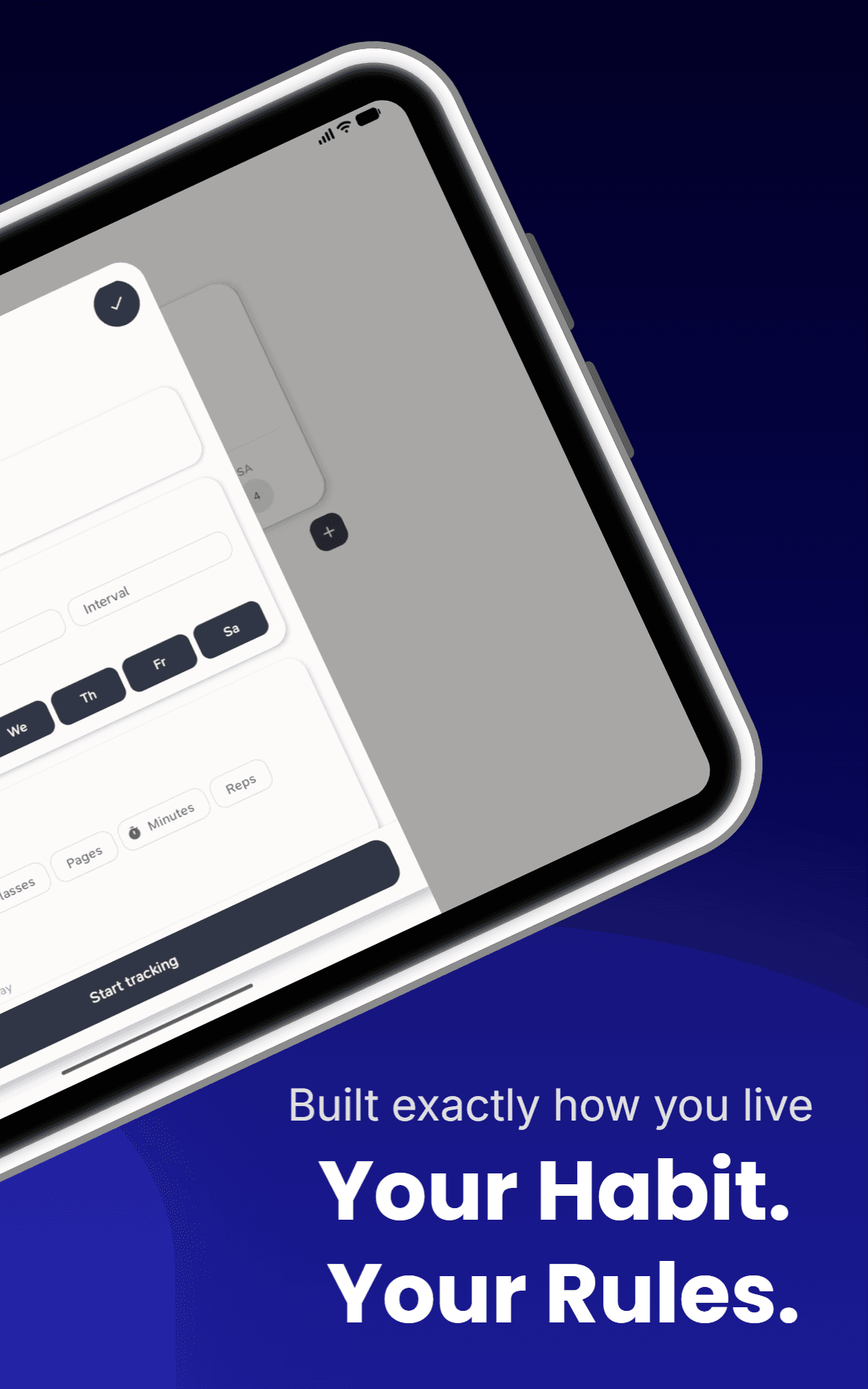
Habit First supports automated backup, offline storage, and privacy controls so you can track habits without getting sucked into social feeds, leaderboards, or ad bloat.