Trying to dismantle an addictive or compulsive habit through pure mental resolve is a losing battle. Willpower is an exhaustible cognitive resource governed by glucose levels, emotional stress, and fatigue. When you are exhausted at 10 PM, the primal dopamine pathways will defeat your prefrontal cortex every time.
Habits are neurological loops composed of four components: Cue, Craving, Response, and Reward. You do not extinguish a habit by attacking the response with brute force; you dismantle it by redesigning the cue, inserting physical friction, and providing an immediate biological substitute.
Step 1: Isolate the Specific Cue (The 5 Triggers)
Every unwanted behavior is triggered by a specific stimulus. For three days, whenever you experience the impulse, write down the 5 dimensions of your environment:
- Location: Where are you sitting or standing?
- Time: What time of day is it?
- Emotional State: Are you bored, anxious, exhausted, lonely, or overwhelmed?
- People: Who is around you?
- Preceding Action: What exact activity did you finish 30 seconds prior?
You will quickly discover that 80% of relapses occur in response to just one or two repeatable triggers (e.g., sitting on the sofa after dinner with your smartphone).
Step 2: Add the 20-Second Friction Barrier
Human impulses have a half-life of roughly 90 seconds. If an urge is immediately gratifiable within two seconds (tapping a phone app, reaching into an open snack bag), impulsive wiring dominates. If you introduce a 20-second delay, the rational prefrontal cortex has time to intervene:
- Social media doomscrolling: Delete apps from your phone and access them only through a browser with two-factor authentication.
- Phone in bed: Charge the phone in the hallway and use an analog alarm clock.
- Junk snacking: Store snacks in opaque containers in the basement or high cupboards.
Step 3: The Golden Rule of Habit Reversal (Displacement)
You cannot simply “stop doing something” and leave an empty neurological void. The urge produces physical restlessness that demands a motor discharge. You must replace the routine with aDisplacement Habit:
- When bored urge strikes → do 20 pushups or drink 300ml of ice water.
- When workplace frustration hits → step away from the desk and do 2 minutes of box breathing.
This is the exact replacement mechanism used in our specialized NoFap recovery routine.
Step 4: Quantify Urge Frequency and Timers in Habit First
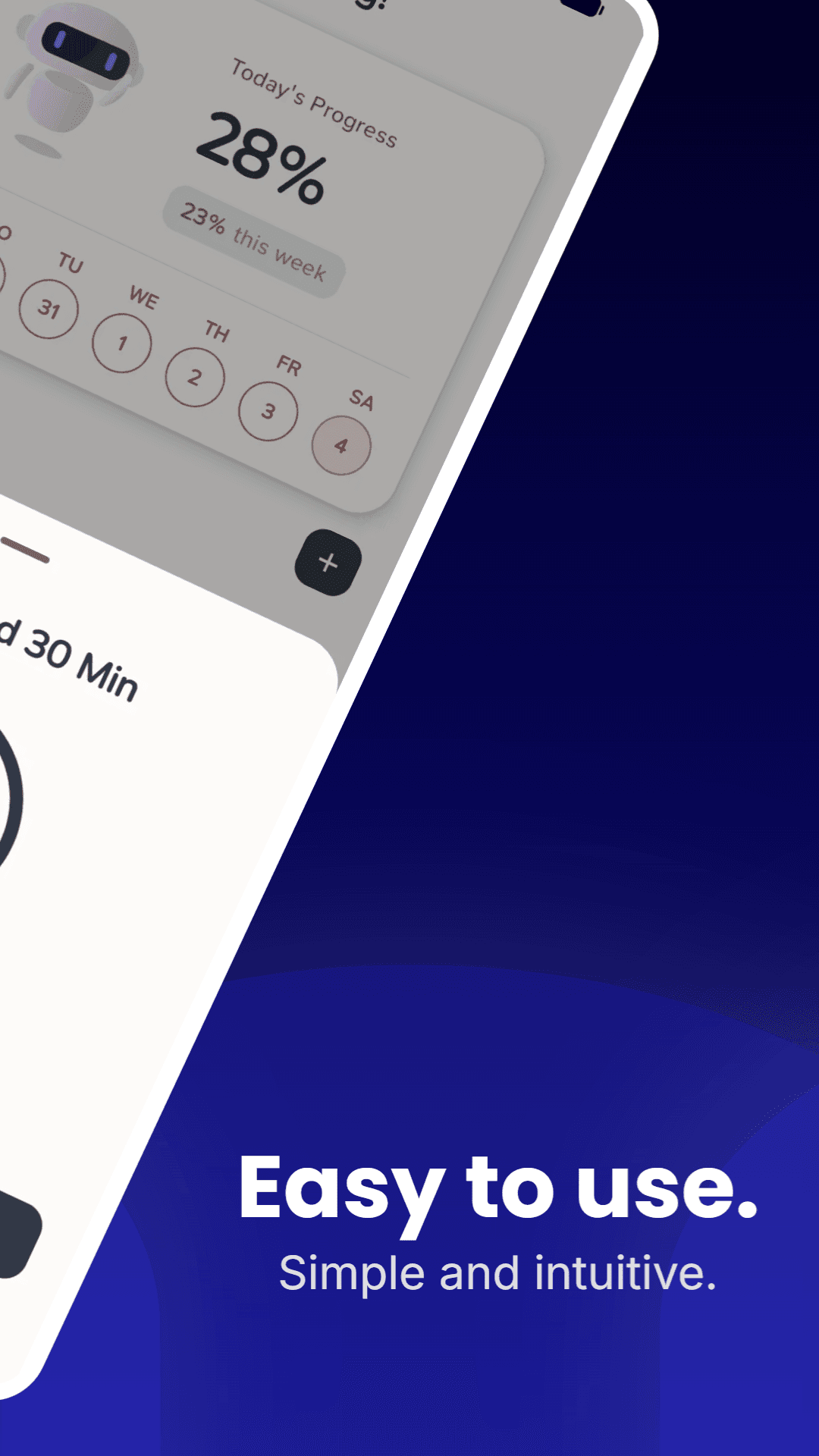
Instead of feeling defeated by an urge, log it objectively. Habit First allows tracking countdown timers, health metrics, and negative trigger categories so you can monitor your recovery progress with real data.