
Download almost any top-ranked habit tracker, and the initial experience feels empowering. You input eight aspirational goals, set colorful icons, and feel immediate productivity. Yet within three weeks, the typical tracker turns into an anxiety-inducing graveyard of red boxes and broken chains.
The failure is not personal lack of discipline; it is flawed software architecture. Most mainstream apps are engineered for dopamine-heavy user acquisition and ad impressions rather than sustainable human behavior change. Here are the five destructive traps in habit software—and the functional criteria to look for instead.
1. The Empty-State Trap (Too Many Habits on Day One)
Standard apps prompt new users to add ten habits during onboarding because higher upfront setup boosts early engagement metrics. But neurobiologically, human executive function can only automate one or two new motor or cognitive loops at a time. A well-designed tool should gently discourage clutter and cap free active habits to prevent systemic overload.
2. Binary All-or-Nothing Streak Counters
If your target is 8,000 steps and you log 6,500, a traditional app marks the day with a red failure cross. This reinforces cognitive perfectionism: “Since I cannot hit the full target today, I won’t bother at all.” Effective tracking requires partial credit and progression meters that celebrate stepping up, not just 100% completion.
3. Punitive and Shaming User Interfaces
Flashing red icons, guilt-inducing push notifications (“You let your streak die!”), and sad mascot cartoons trigger cortisol and avoidance. When opening an app makes you feel incompetent, you delete the app. Calm, objective utility creates longevity.
4. Holistic Progress: The Intelligent Habit Score Framework
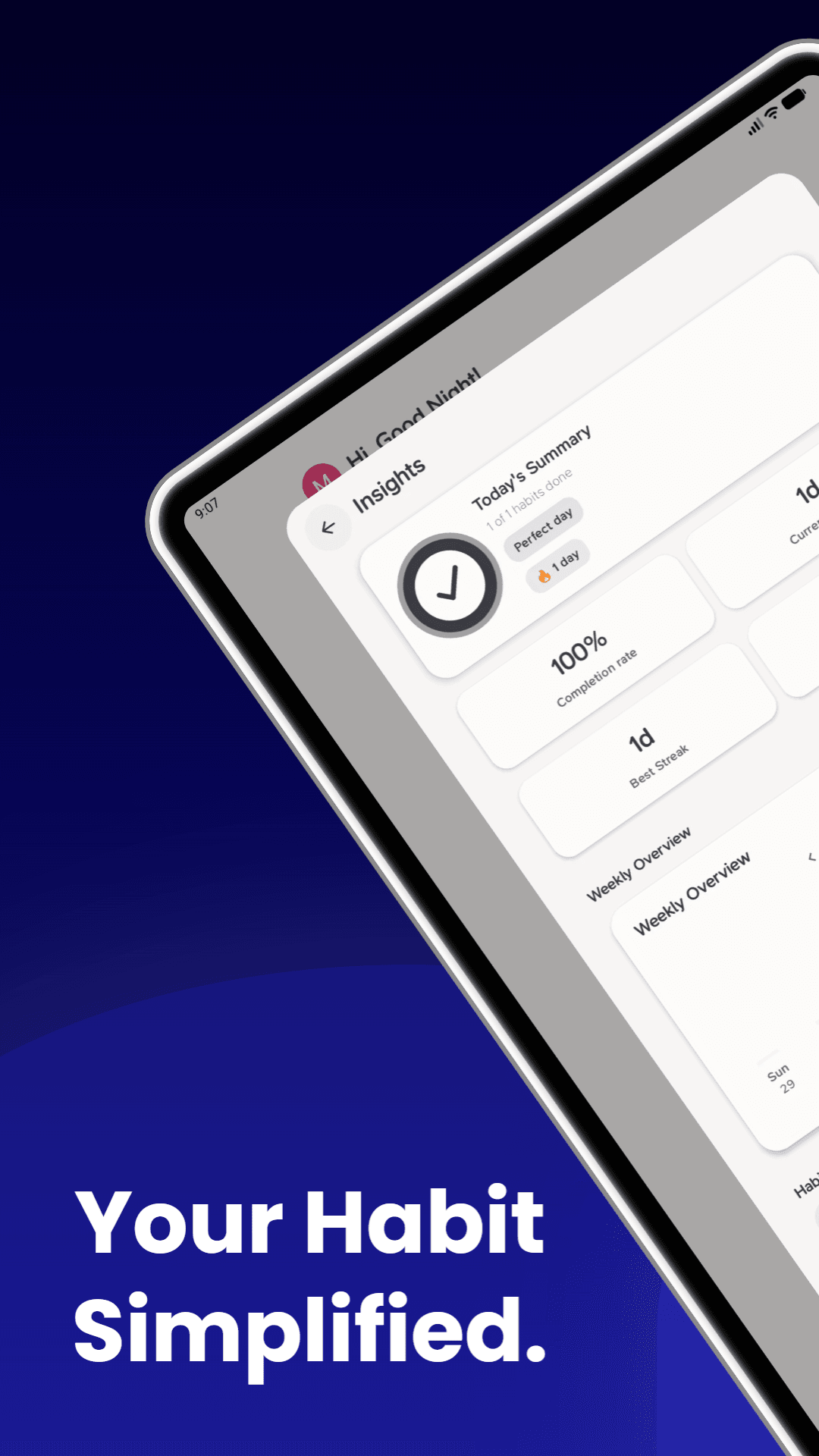
Instead of looking at isolated binary switches, progress should reflect a balanced weighted score: rolling completion rate, streak resilience, and long-term consistency.
5. Essential Capabilities Locked Behind Subscriptions
Basic human self-improvement should not cost £10 monthly. Features essential to consistency—such as flexible time-of-day clustering, multi-reminder schedules, automated health tracking, and CSV data backup—should be accessible.
The Evaluation Checklist: What to Look For
- Time-of-Day Grouping: Organizes habits by Morning, Afternoon, and Evening so you only see what is relevant now.
- Dual Streak Metrics: Displays both current momentum and personal best (as outlined in our guide on streaks without anxiety).
- Built-In Weekly Audits: Encourages weekly calibration over mindless daily tapping (see daily check-ins vs. weekly reviews).
- Offline-First Privacy: Your sensitive habits and journal entries should never be monetized or locked behind an account paywall.